If you manage a plaza, office building, multi-unit property, or mixed-use site, you already know the pressure. Tenants want fast answers. Owners want competitive pricing. And everyone expects quality work that lasts.
This guide covers what matters most when hiring commercial painting Citrus County FL contractors. We’ll talk scheduling, prep, coatings, compliance, and how to keep a painting job from turning into a headache. For a free estimate, call Make It Happen Painting at (352) 277-1115.
We provide commercial painting services across Citrus County, including Inverness, Crystal River, Citrus Hills, and Citrus Springs, plus nearby service areas like Ocala, Marion County, Hernando, Pasco, the Villages, and even Spring Hill based on project needs.
1) Start with the scope: interior painting, exterior house painting, and specialty work
A solid plan starts with defining what “painting” means for your property.
Most property managers need a mix of:
- Interior painting for offices, common areas, hallways, stairwells, and tenant buildouts (walls, ceilings, doors, and even baseboards)
- Exterior house painting style services for multi-unit buildings and community assets (stucco, brick, siding, trim, doors, railings)
- Upgrades like cabinet painting and staining for interior refreshes
- Specialized options such as garage floor painting (often with epoxy systems)
For many commercial properties, the right coating matters as much as color. Commercial spaces often require specialized coatings like epoxies and urethanes. Durable coatings are suited for high-traffic commercial environments. High-performance coatings are necessary for commercial and industrial applications.
2) Prep is where long lasting results come from
A paint project fails most often because prep was rushed. Commercial surfaces are exposed to sun, sprinklers, dust, and traffic. That is why your painting company should put real time into prep.
Typical prep can include:
- Pressure washing (often included in preparation for painting services)
- Scraping, patching, and caulking
- Masking and protecting furniture and fixtures
- Spot priming and stain blocking
- Repairs for small substrate issues
State licensing is required for projects involving structural repairs or significant prep work. If you see wood damage, metal corrosion, or substrate failure, ask who is legally allowed to do that work.
When you compare bids, compare prep line by line — that hidden scope is where a durable commercial finish is actually won or lost.
3) Scheduling: minimize disruption for tenants and business operations
Good professional painting services are built around your operating hours. Many projects can be phased so tenants stay open and safe.
Common approaches:
- Work by elevation, suite, or building section
- Night or weekend work for retail or medical spaces
- Clear daily cleanup and access paths
- Quiet hours for offices and meetings
Building a repeatable cycle helps. The facility-management publication FacilitiesNet advises that painted walls and ceilings in common areas “should be inspected and repainted every three years,” which also creates a regular chance to catch and fix small imperfections early.
— Source: FacilitiesNet, “Keeping Up-to-date on Painting Maintenance”
Projects in Florida’s humid climate typically require repainting every 4 to 7 years. That makes planning even more important, because you will be doing this again. A repeatable process is a real asset.
Because you will repaint this property again, the real value of a good contractor isn’t just one clean job — it’s a repeatable, low-disruption process you can schedule around your tenants for years.
4) Licensing, insurance, and compliance (what to verify)
This is where property managers protect the owner and themselves.
Key requirements and best practices from local and state guidance:
- Contractors must be licensed and insured to operate legally in Citrus County.
- Citrus County contractors must register with the local licensing department.
- It’s important to verify contractor licensing credentials before hiring.
- Contractors must hold liability and workers’ compensation insurance if they employ workers.
- General liability insurance is often mandatory for painting contractors.
- Aiding unlicensed contractors can lead to fines and insurance issues.
Here is why it matters in plain terms. An insurance guide from Next Insurance explains that general liability is “designed to address accidental third-party property damage” — using the example of a painter who breaks a client’s window — so a properly insured contractor’s policy pays for that mishap instead of the property owner.
— Source: Next Insurance, “Does General Liability Cover Property Damage?”
Also note: Florida does not have a state-specific license for all painting contractors. The commercial painting industry is governed by local and state regulations, so you need to confirm what applies in your municipality and for your building type.
Working on older buildings adds another layer. Lead Safety certification is crucial for working with buildings built before 1978. Projects involving older buildings may require EPA RRP certification. Ask for documentation if your property falls in that category.
5) What a professional commercial painting project should include
A professional proposal should be easy to review and easy to compare. At a minimum, it should include:
- Scope (areas, surfaces, number of coats, exclusions)
- Materials (including exterior paint type and finish)
- Prep steps (including pressure washing if needed)
- Safety plan and access notes
- Timeline, staffing plan, and daily cleanup
- Warranty or service expectations
- A closeout plan with a final walkthrough
One document belongs on that list too: proof of insurance. Insurers caution that a certificate of insurance “is only a snapshot in time,” showing coverage was active on the issue date — so confirm the policy is still current for your project dates before work begins.
— Source: Berry Insurance, “Why Your Subcontractors Need Workers’ Comp Insurance”
That last item matters. A final walkthrough gives you a clean punch list, clear completion documentation, and confidence that the project matches expectations.
6) Color consultation and curb appeal for Florida communities
Commercial properties still sell an experience. Color impacts foot traffic, leasing, and how the property photographs online.
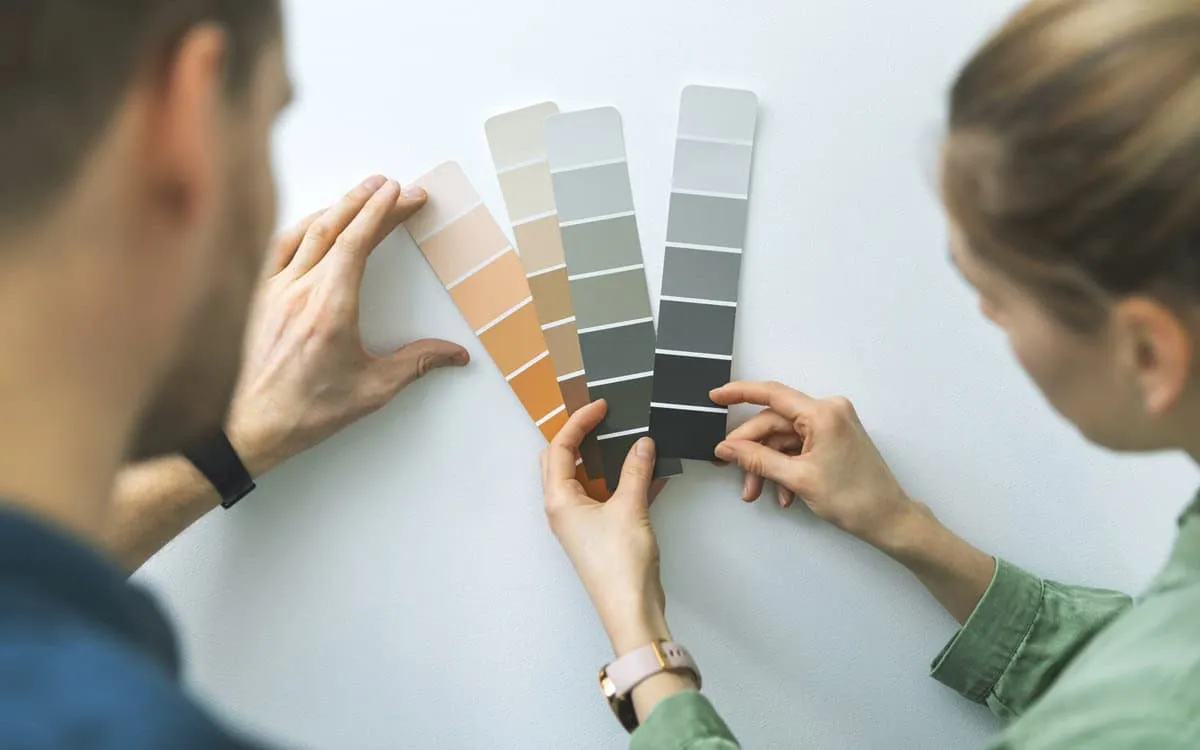
For Florida communities (HOAs, mixed-use, and multi-building sites), color consultation helps you:
- Standardize body colors across buildings
- Choose accent colors for signage and doors
- Improve curb appeal while staying within brand or HOA guidelines
- Select coatings that handle heat and humidity
Exterior painting improves curb appeal for homes and businesses. That includes Florida homes within multi-unit communities and residential and commercial properties managed under one umbrella.
On a commercial property, color is doing marketing work every day — a standardized, HOA-approved palette keeps every building on brand and photographing well for listings.
7) Typical costs and timelines (what property managers should expect)
Commercial pricing depends on square footage, access, prep, coatings, and scheduling constraints. A small office refresh may be quick. A multi-building exterior can take longer, especially if you need repairs, lift work, or specialty coatings.
The only way to compare bids fairly is to hold the scope and product line constant — then the real differences show up in the timeline, the disruption plan, and what each bid quietly excludes.
If you want apples-to-apples bids, insist each estimate includes the same scope and product line. Then compare timelines, disruption plans, and exclusions.
8) Why local experience matters in Crystal River and surrounding areas
Coastal and near-coastal locations like Crystal River often need products chosen for humidity, salt exposure, and mildew pressure. That is where expert painters and professional painters stand out. They know what holds up, and they know what fails early.
“Property managers don’t just need a paint job — they need a partner who works around tenants, documents everything, and shows up again in a few years for the next cycle. We build schedules around your operating hours, match coatings to Citrus County’s heat and salt-air exposure, and close every project with a walkthrough so you have a clean punch list, not a mystery.”
— The team at Make It Happen Painting
Make It Happen Painting serves Inverness and Crystal River. Make It Happen Painting offers commercial painting services in Citrus County. We bring a skilled team, a respectful crew, and a focus on customer satisfaction on every project.
Ready to plan your next painting project?
If you manage commercial properties in Citrus County FL, the goal is simple. Protect the property. Keep tenants happy. Get a clean result that lasts.
Call Make It Happen Painting for commercial painting Citrus County, FL, and a free estimate. We’ll set an appointment, review your needs, and build a plan that delivers long lasting results—right through the final walkthrough.